
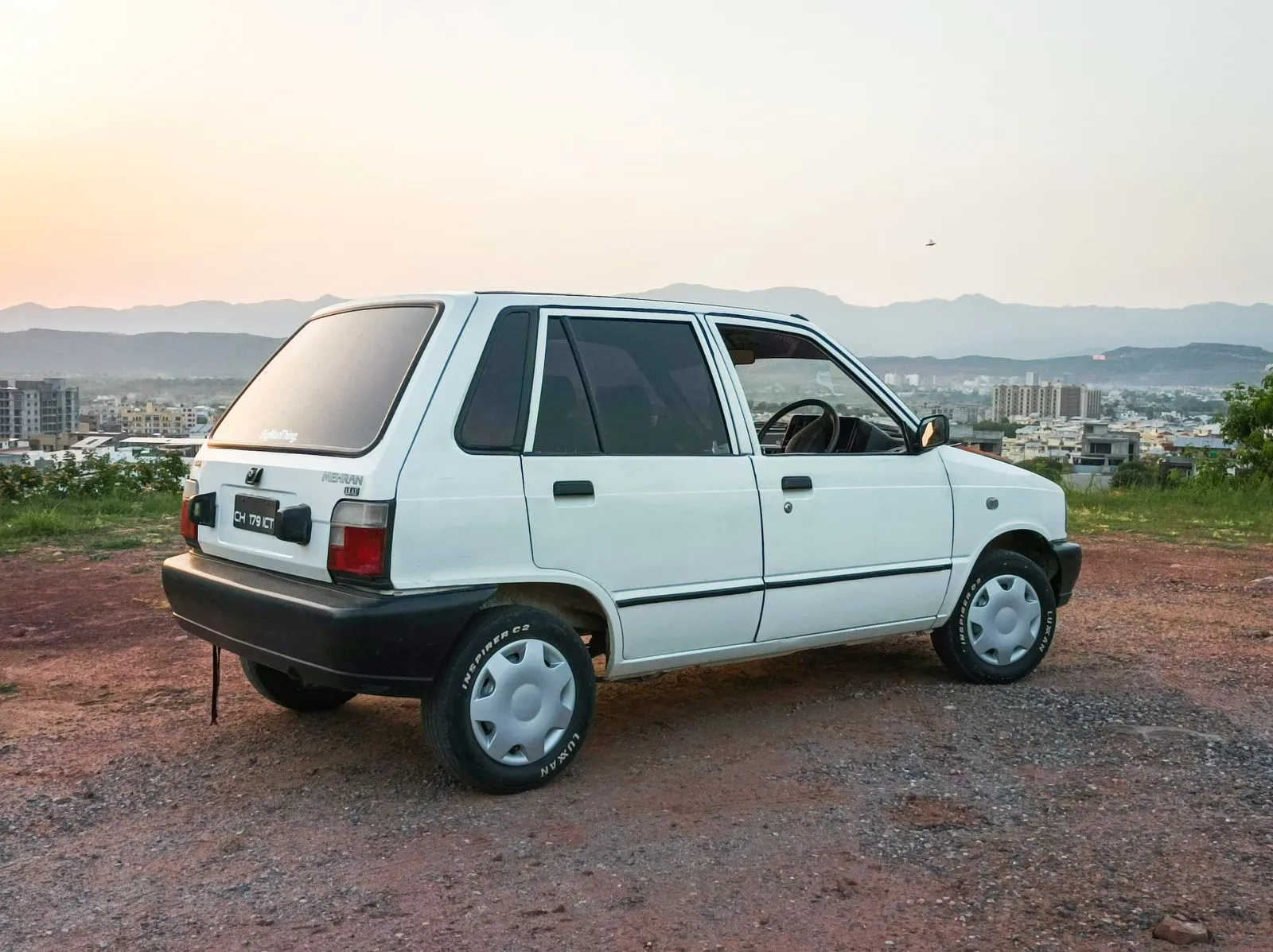
The best family car is not necessarily the biggest or the one with the longest feature list. It is the vehicle that fits your passengers, child seats, gear, and daily routines without making ordinary trips harder. Focus first on access and usable space, then check how the cargo area adapts and which driver-assistance features support your driving. A practical evaluation helps you compare vehicles based on how your family will actually use them.
Make Child-Seat Access Easy
Bring the child seats you use, if possible, and install them in the vehicle you are considering. Check how easily you can reach the lower anchors and top tether points, and whether the seat rests securely without blocking access to the neighboring seat or buckle. Anchor locations and installation steps differ by vehicle, so consult both the car’s manual and the child-seat instructions.
Pay attention to door openings and seat height. Wide-opening rear doors and a comfortable step-in height can make it easier to lift a child in and out, especially in tight parking spaces. If you use a rear-facing seat, confirm that the front passenger or driver seat still has enough room for a comfortable driving position.
Check Real Rear-Seat Space
Do not judge rear-seat room by appearance alone. Sit in each seating position and check legroom, headroom, and shoulder room with the front seats adjusted for the adults who will drive. Make sure passengers can buckle up without struggling around a child seat, and look for a center seat that is genuinely usable if your family needs three across.
Consider comfort details that affect longer trips, such as rear air vents, cup holders, storage pockets, and easy-to-reach charging ports. Test the rear doors and windows, too. A spacious cabin is more useful when passengers can get in, settle down, and reach everyday items without distracting the driver.
Test Cargo Flexibility
Think through what you carry in a typical week: a stroller, sports equipment, groceries, or luggage. Open the liftgate and check the cargo area’s shape, floor height, and opening width. A low load floor can make heavy items easier to lift, while a broad opening can help with bulky gear. Measure especially large items rather than assuming they will fit.
Fold the rear seats and see whether they create a practical loading surface. Check if the seats split-fold, whether they fold from the cargo area, and how much space remains when one seat stays upright for a passenger. Underfloor storage and tie-down points can help organize smaller items and keep cargo from shifting.
Choose Driver Assistance Carefully
Useful driver-assistance systems may include automatic emergency braking, blind-spot monitoring, rear cross-traffic alert, and a backup camera. Features and names vary by vehicle, so verify what is actually included on that specific car. Treat these systems as support, not a substitute for attentive driving, safe following distance, or checking around the vehicle yourself.
Test the alerts and controls during a drive, and make sure you understand when each system operates. Check whether settings are easy to adjust and whether warnings feel clear rather than distracting. Also review the owner’s manual for system limits; cameras and sensors may work differently in poor weather, around obstacles, or when sensors are blocked.
Prioritize features that solve your family’s everyday challenges: straightforward child-seat installation, comfortable passenger space, adaptable cargo capacity, and assistance systems you understand. Test the vehicle with your own seats and gear whenever possible. Rose City Family Cars can help you compare practical options and arrange a visit when you are ready.